How explainable AI reduces hallucinations in domain-specific systems
Hallucinations aren't just a model problem — they're a transparency problem. Here's how explainability techniques can dramatically reduce false outputs in specialized AI systems.
 Zahwah JameelDevRel Associate4 min read

Contents · 12 sections
- The hallucination problem is worse than you think
- What makes domain-specific hallucinations dangerous
- Enter explainability
- 1. Source attribution as a hallucination filter
- 2. Confidence decomposition
- 3. Reasoning chain visibility
- 4. Contradiction detection
- 5. Uncertainty communication
- The feedback loop
- Measuring the impact
- Practical takeaways
- The bigger point
The hallucination problem is worse than you think
When a general-purpose chatbot makes something up, it's annoying. When a domain-specific AI system — medical, legal, financial, engineering — hallucinates, the consequences can be severe.
The typical response is to throw more training data at the problem or fine-tune harder. But there's a different angle that often gets overlooked: if the system can explain its reasoning, hallucinations become detectable — and preventable.
What makes domain-specific hallucinations dangerous
In open-ended conversation, hallucinations are often vague enough to slide past. In domain-specific contexts, they're precise and confidently wrong:
- A legal AI citing a case that doesn't exist — with a real-sounding case number
- A medical AI recommending a drug interaction that's pharmacologically impossible
- A financial AI presenting fabricated regulatory requirements with specific clause numbers
The domain expertise needed to catch these errors is exactly the expertise the AI was supposed to supplement.
Enter explainability
Explainable AI (XAI) isn't just about satisfying regulators or building trust dashboards. When applied correctly, it's a hallucination detection and prevention mechanism.
Here's how:
1. Source attribution as a hallucination filter
Require the model to cite its sources for every claim. Not in a hand-wavy way — specific document, section, and passage.
The mechanism:
- Retrieval-augmented generation (RAG) fetches relevant source documents
- The model generates a response grounded in those documents
- A verification step checks: does the cited source actually support the claim?
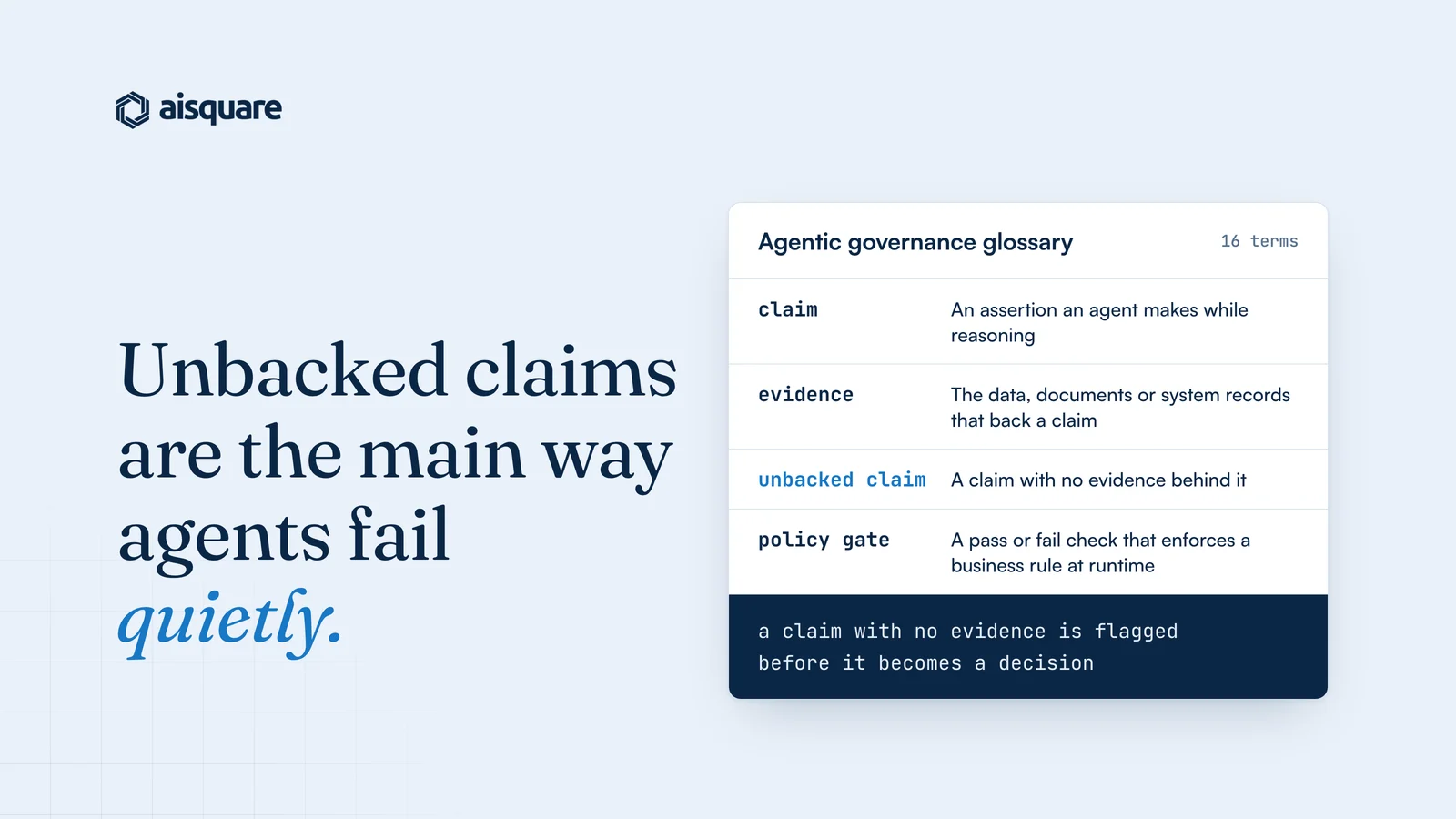
If the model can't point to a source, the claim gets flagged. This alone catches a huge percentage of hallucinations.
Implementation pattern:
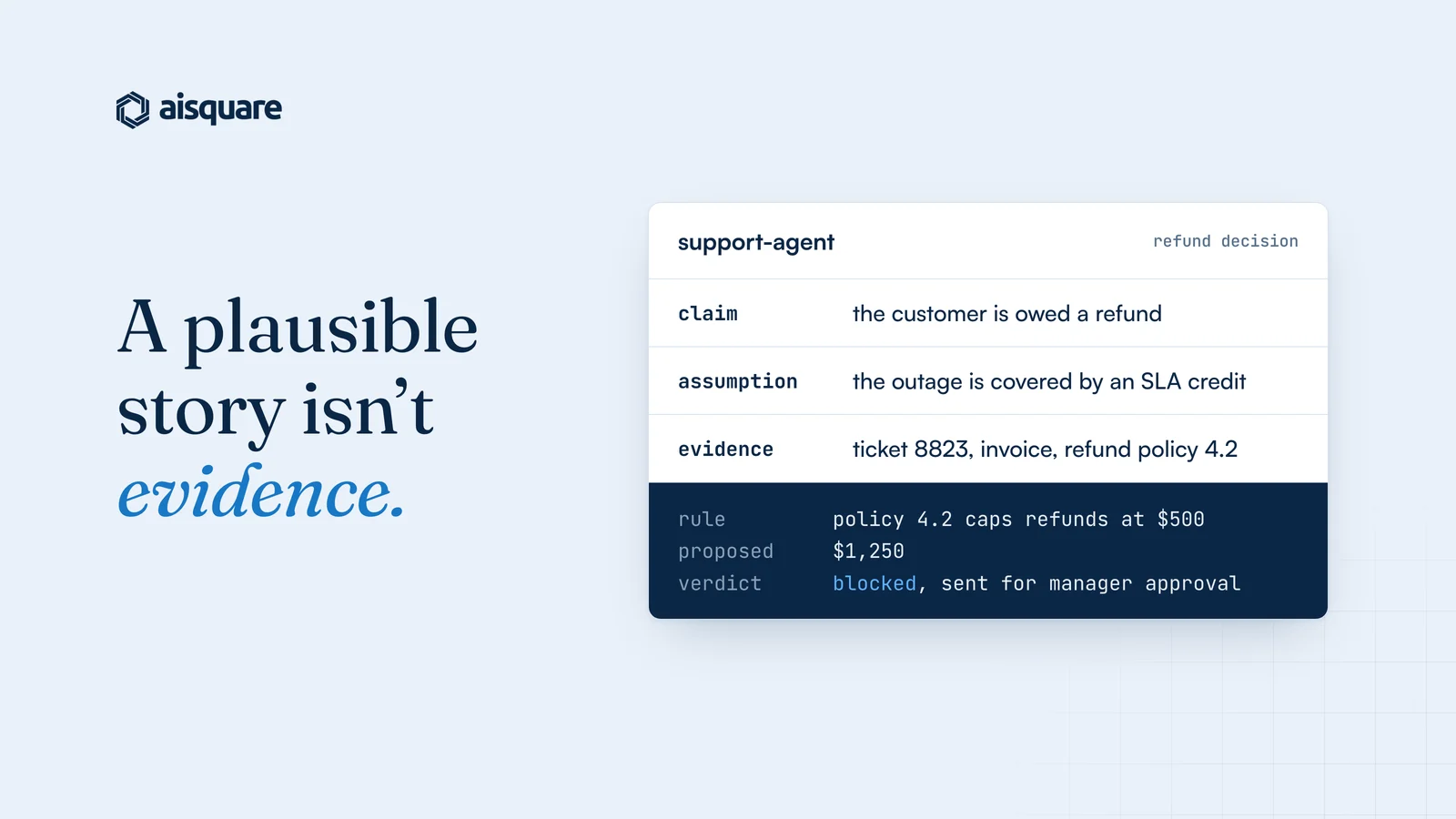
Response: "The maximum dosage is 400mg daily (Source: Clinical_Guide_v3, Section 4.2)"
Verification: Retrieve Section 4.2 → Check if "400mg" appears → Confirm or flag
2. Confidence decomposition
Instead of a single confidence score, decompose it:
- Retrieval confidence — How relevant were the retrieved documents to the query?
- Grounding confidence — How well does the response align with retrieved content?
- Factual confidence — Does the claim match known facts in the domain ontology?
When any layer shows low confidence, the system should say so explicitly rather than presenting uncertain information as fact.
3. Reasoning chain visibility
Force the model to show its work. Chain-of-thought prompting adapted for domain-specific reasoning:
- Step 1: What domain concepts are involved?
- Step 2: What sources are relevant?
- Step 3: What does the evidence say?
- Step 4: What's the synthesized answer?
- Step 5: What are the caveats or uncertainties?
When the reasoning chain is visible, domain experts can spot where logic breaks down — often before the final answer goes wrong.
4. Contradiction detection
Domain-specific systems often have access to structured knowledge — ontologies, rule sets, known constraints. Use them:
- Cross-reference generated claims against domain rules
- Flag logical contradictions (e.g., "Drug A and Drug B are recommended together" when the interaction database says they're contraindicated)
- Implement hard constraints that override model output when domain rules are violated
5. Uncertainty communication
The most underrated explainability feature: teaching the AI to say "I'm not sure."
Most hallucinations happen because the model is optimized to produce an answer, not to assess whether it should answer. Calibrated uncertainty communication means:
- Distinguishing between "the evidence strongly supports X" and "based on limited context, X seems likely"
- Actively flagging when a question falls outside the training distribution
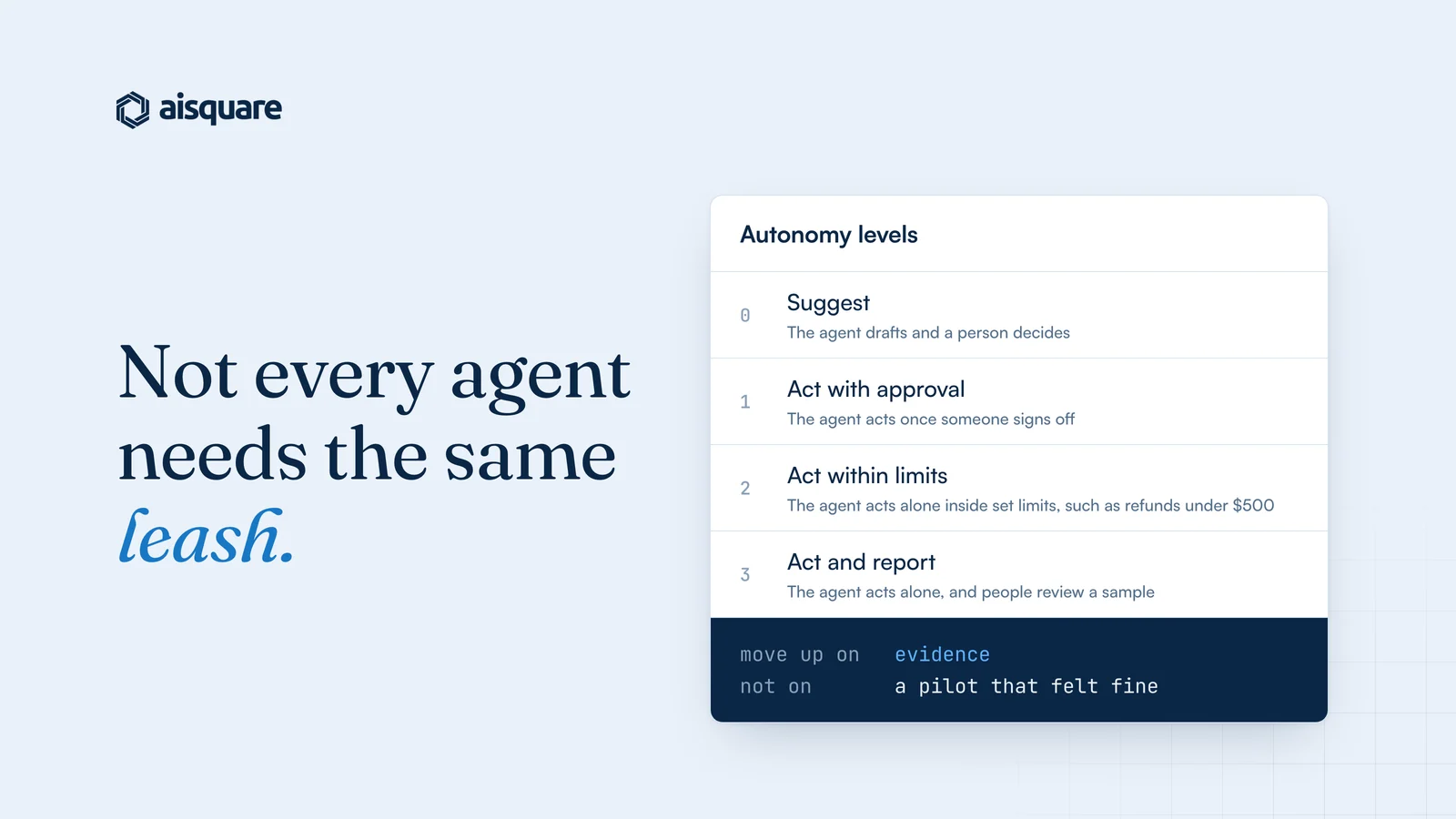
- Recommending human review for high-stakes decisions
The feedback loop
Explainability doesn't just prevent hallucinations in real-time. It creates a feedback loop:
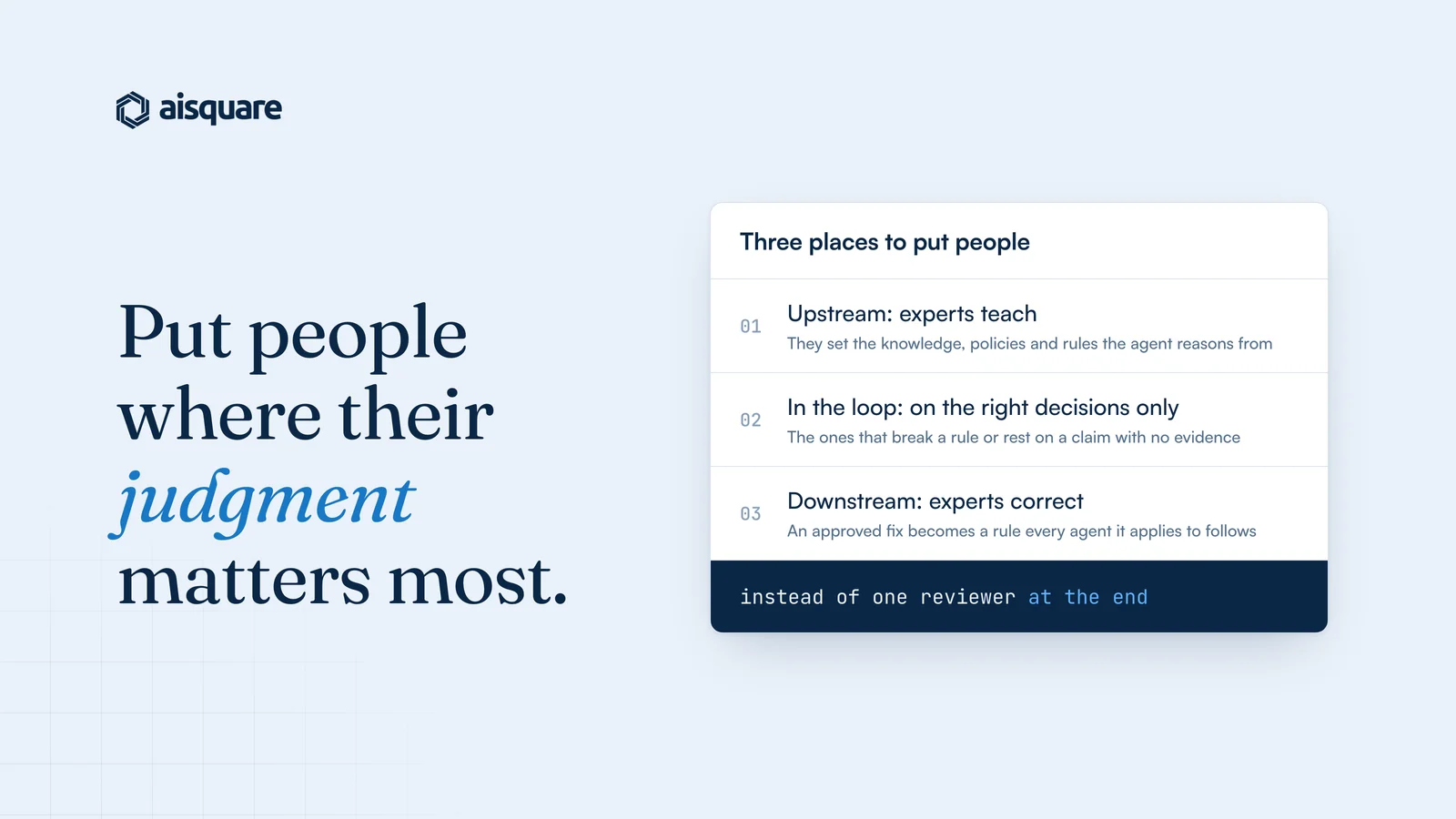
- Users see explanations and flag errors they can now identify
- Flagged errors become training signal for better retrieval and generation
- The system improves over time with domain-specific error correction
- Trust calibration improves — users learn when to trust and when to verify
Measuring the impact
In our experiments with domain-specific systems:
| Approach | Hallucination rate |
|---|---|
| Base LLM (no RAG) | ~15–25% |
| RAG without explainability | ~5–10% |
| RAG + source attribution | ~2–4% |
| RAG + full XAI pipeline | <1% |
The numbers vary by domain, but the pattern is consistent: each layer of explainability compounds the reduction.
Practical takeaways
If you're building a domain-specific AI system:
- Make source attribution non-optional — Every claim needs a traceable source
- Decompose confidence — Don't hide uncertainty behind a single number
- Show reasoning chains — Even if users don't read them, your QA process needs them
- Implement domain constraints — Hard rules should override soft model outputs
- Teach the model to abstain — "I don't know" is always better than a confident hallucination
The bigger point
Hallucinations aren't just a model scaling problem that will disappear with GPT-next. They're a fundamental property of probabilistic text generation. The solution isn't to eliminate them entirely — it's to build systems that are transparent enough to catch them and honest enough to admit uncertainty.
Explainable AI isn't a nice-to-have. In domain-specific systems, it's the difference between a useful tool and a liability.
Get your agents into production
AISquare captures the reasoning behind every agent decision, enforces your rules on every run, and keeps a record your risk team can check.