Agentic Governance Framework: A Practical Template
A practical agentic governance framework for AI agents: owners, autonomy levels, controls and evidence, mapped to the EU AI Act, NIST AI RMF and ISO 42001.

Contents · 9 sections
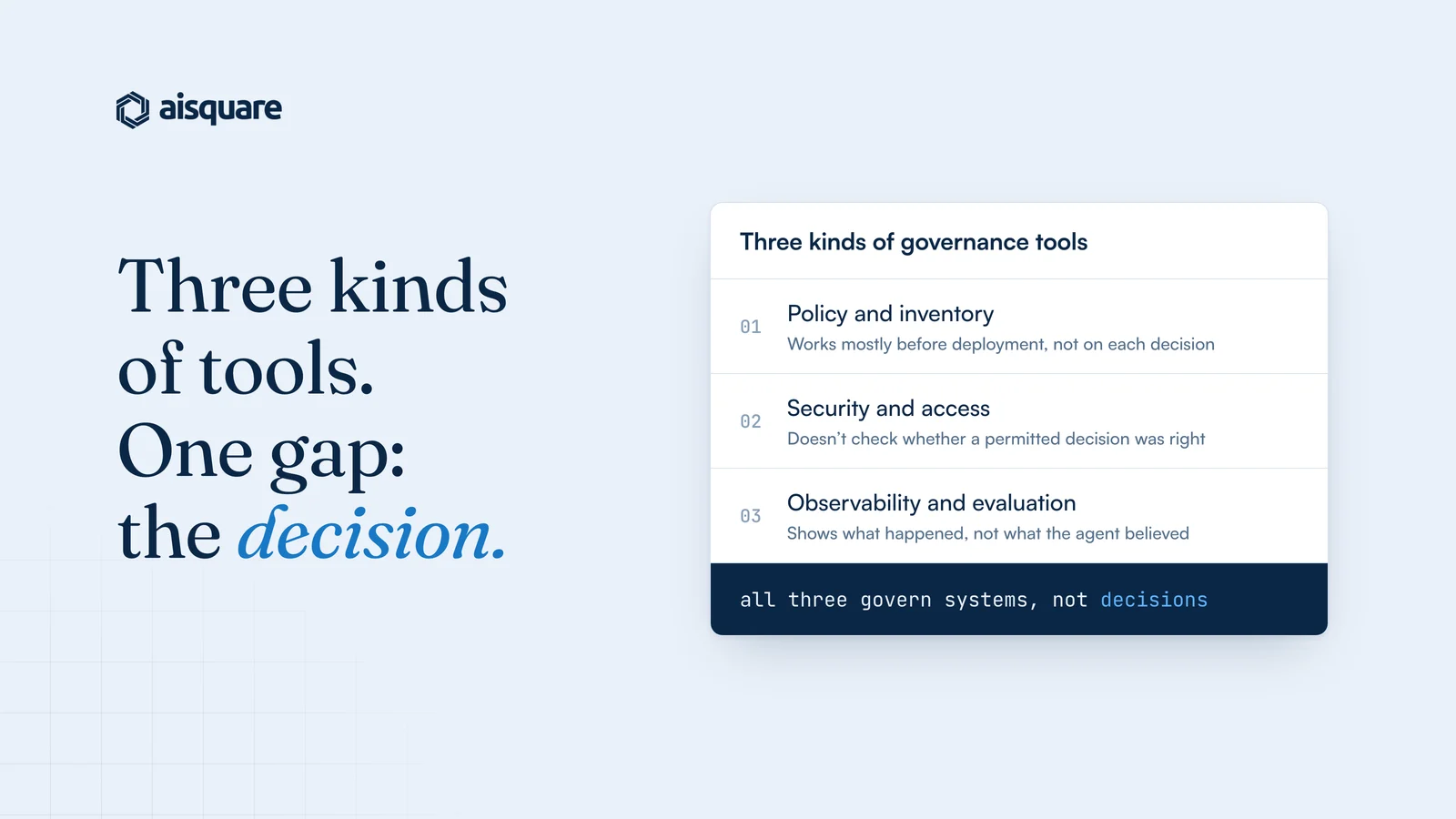
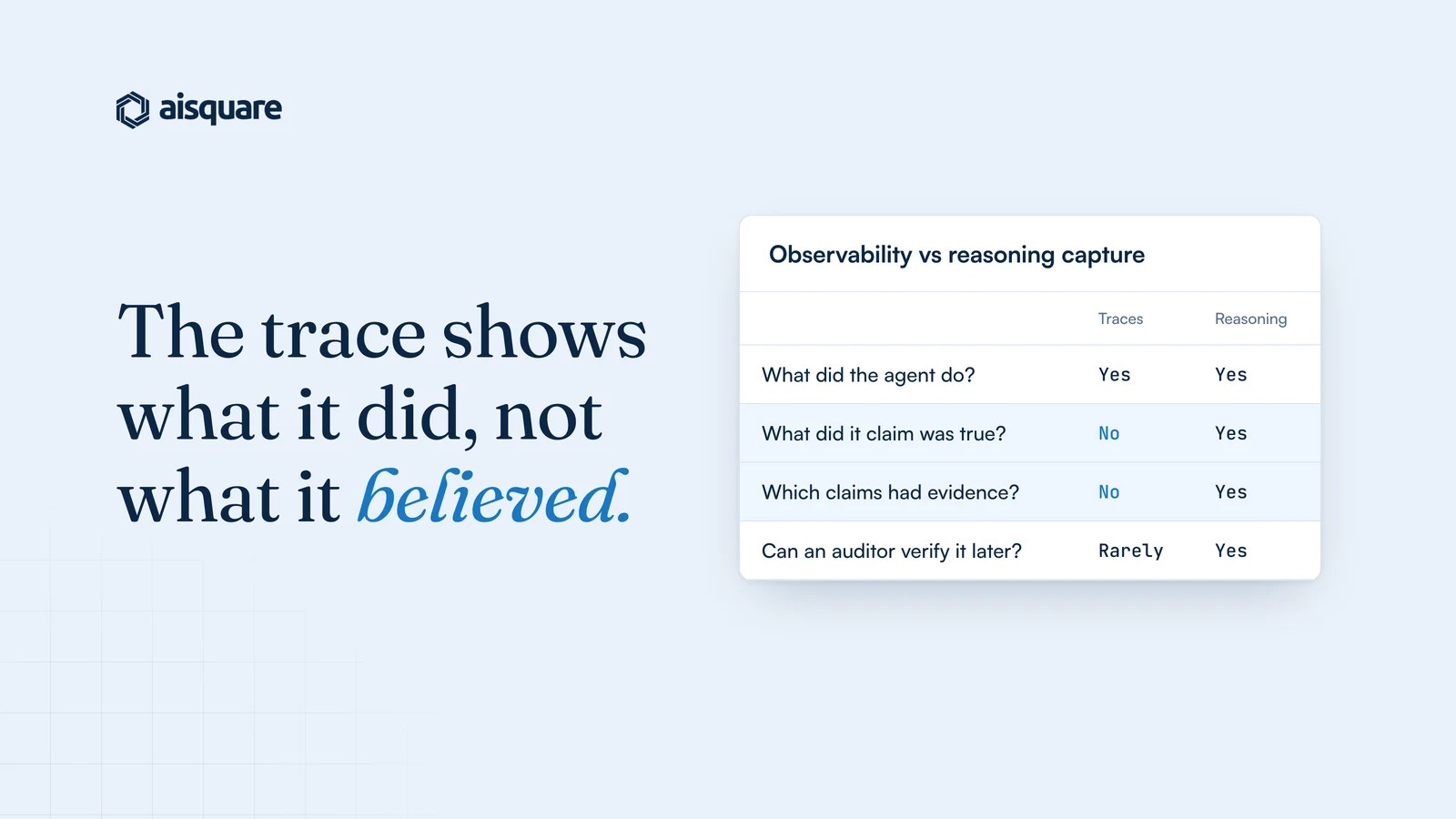
Most governance frameworks were written for models: approve it, document it, monitor it. AI agents break that pattern because they don’t make one prediction. They take actions, call tools and chain decisions, so the risk sits in what happens on each run.
Below is a five-part agentic governance framework. Use it as a template, adapt it to your organization, and map it to the regulations you already report against.
The framework at a glance
| Part | Question it answers | What you end up with |
|---|---|---|
| 1. Inventory and ownership | Which agents do we run, and who owns each one? | An agent register with a business owner and risk reviewer per agent |
| 2. Autonomy levels | How much can each agent do on its own? | An agreed level for every agent, and the evidence to move up |
| 3. Controls | What stops a bad decision before it happens? | Grounding, reasoning checks and runtime policy gates |
| 4. Oversight and learning | How do people make agents better? | A review workflow where corrections become approved rules |
| 5. Evidence | Can we prove all of the above? | A signed record of every decision |
1. Inventory and ownership
List every agent in production or pilot. For each, record its purpose, the systems and data it touches, the models it uses, a named business owner and a named risk reviewer. If an agent has no owner, it shouldn’t be running.
2. Autonomy levels
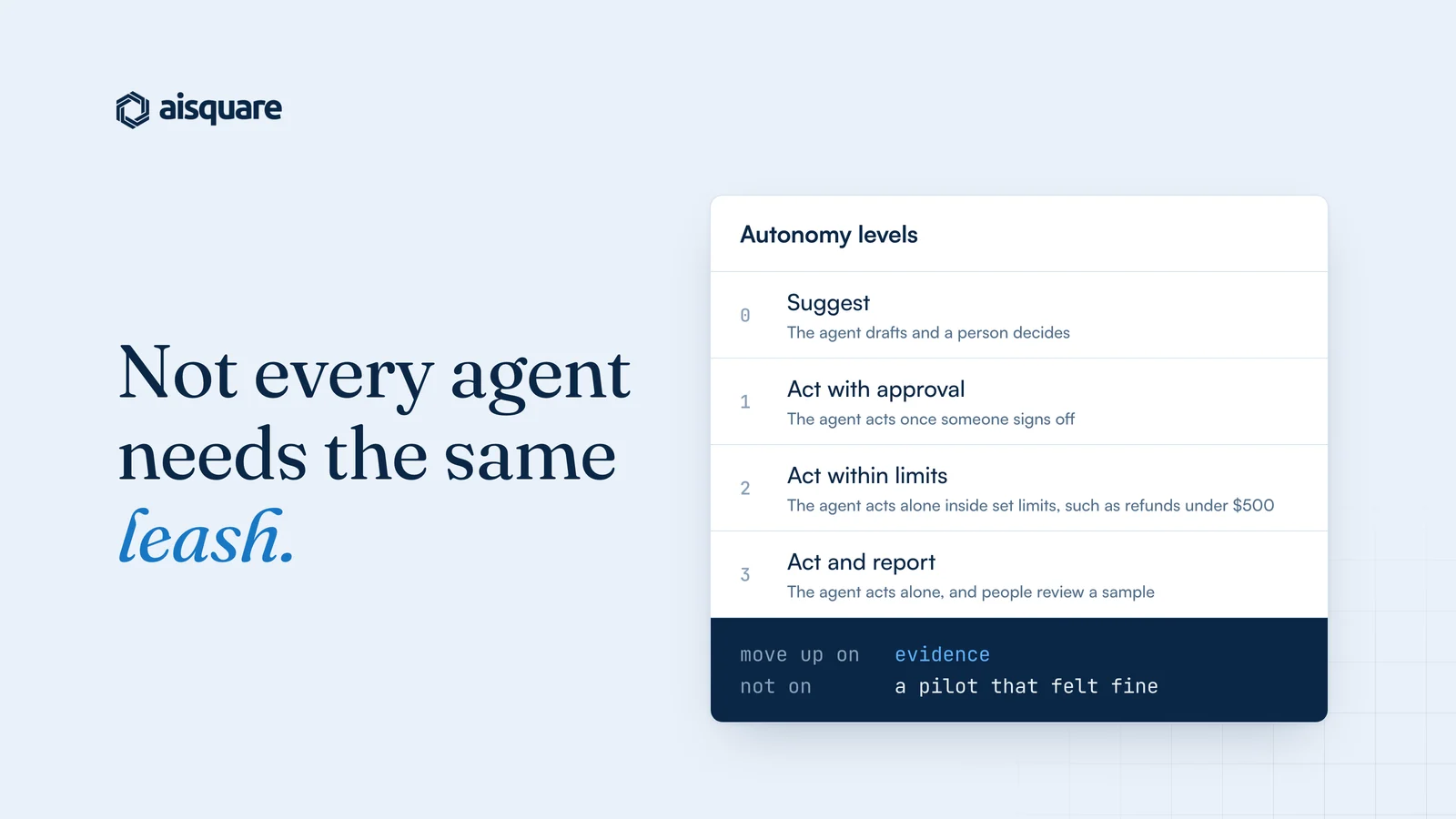
Not every agent needs the same leash. Four levels cover most cases:
- Level 0, Suggest: the agent drafts and a person decides.
- Level 1, Act with approval: the agent acts once someone signs off.
- Level 2, Act within limits: the agent acts alone inside set limits, such as refunds under $500, and escalates anything outside them.
- Level 3, Act and report: the agent acts alone, and people review a sample.
The important part is how agents move up. Promotion should be earned with evidence, for example a set number of runs with no policy breaches and no unbacked claims, rather than granted because a pilot felt fine. Traditional governance asks whether an agent may act. A framework built for agents also asks whether it has earned more autonomy.
3. Controls
Three controls do most of the work:
- Grounding: the agent reasons from your approved knowledge, policies and context.
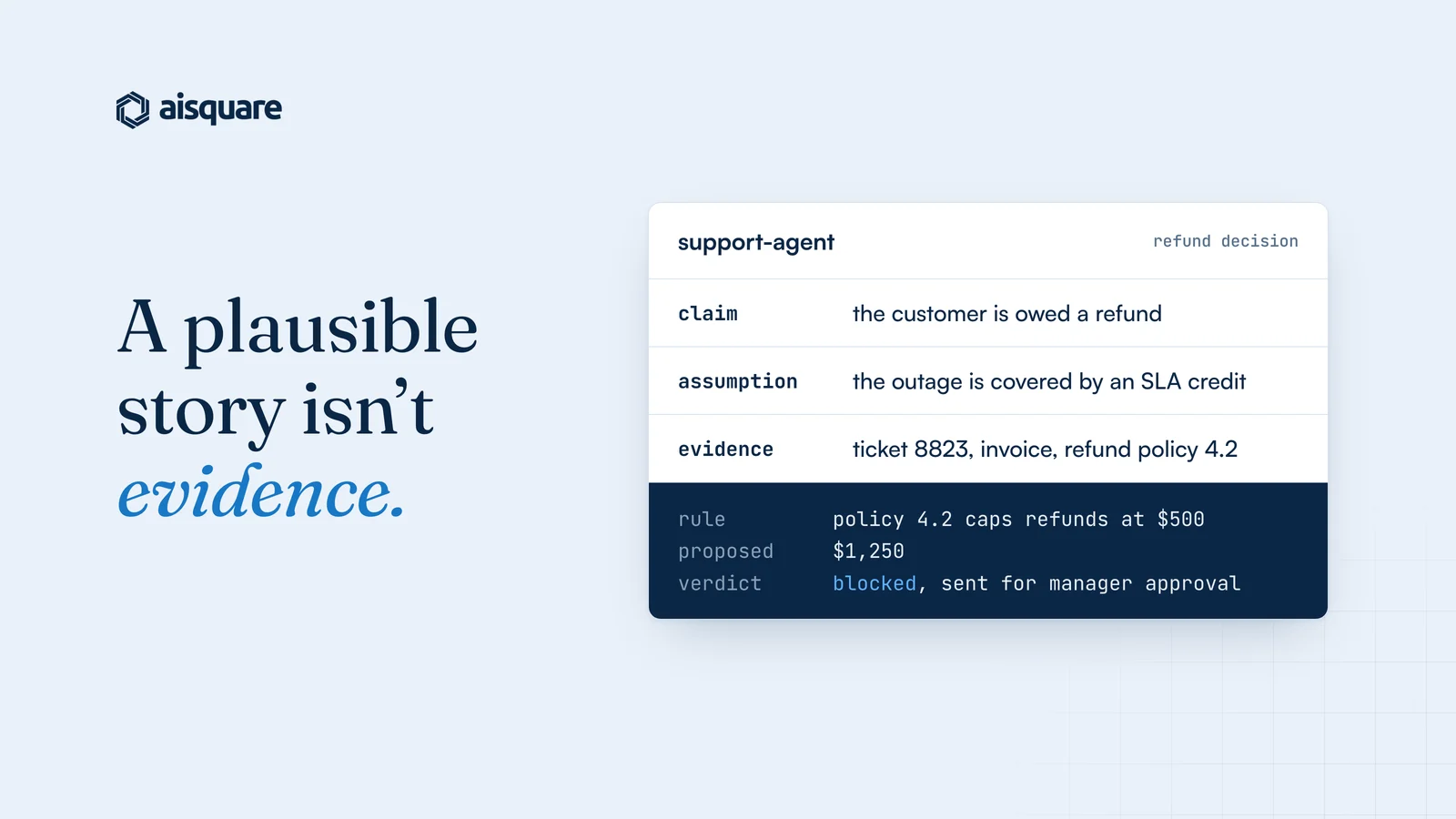
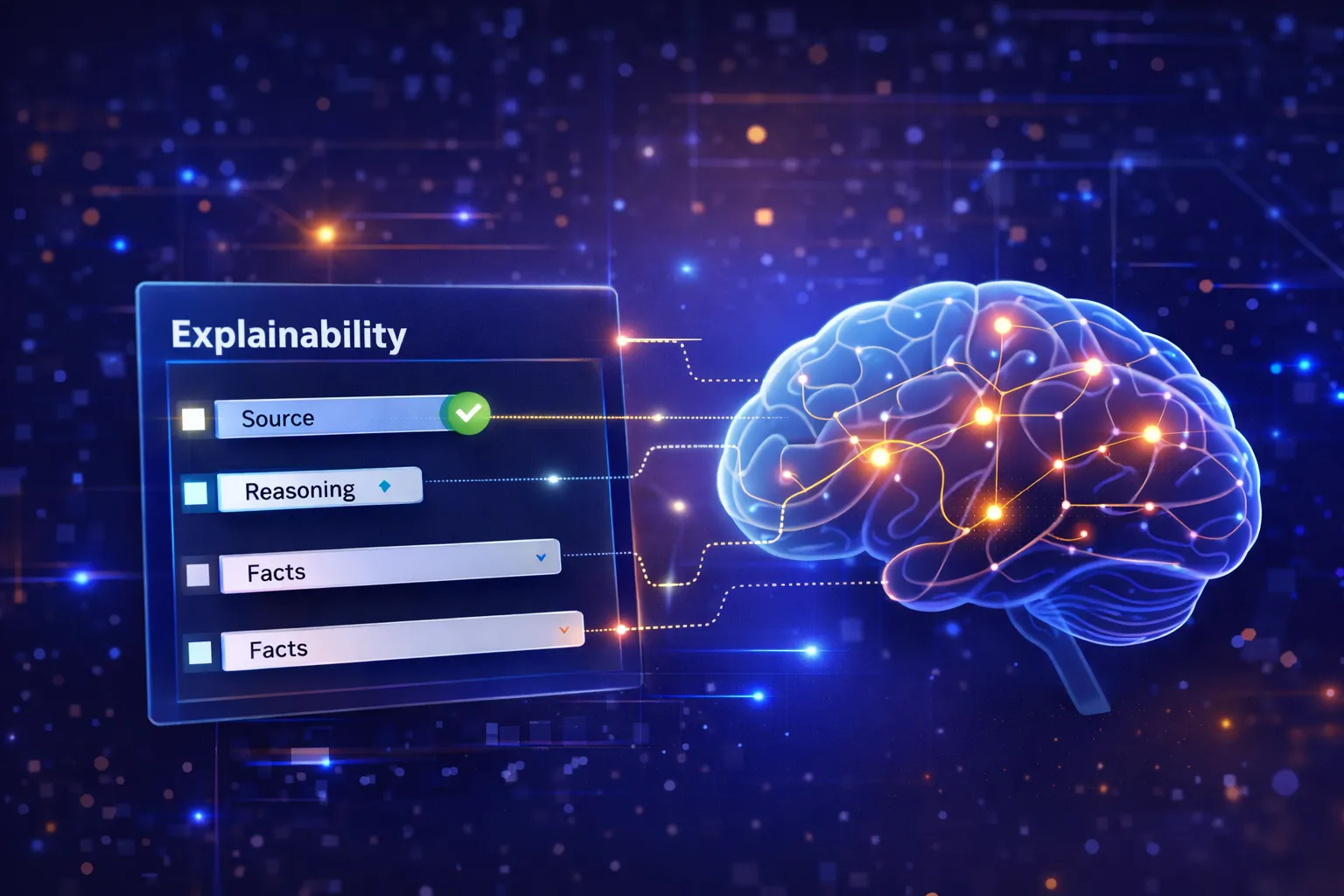
- Reasoning checks: each decision is broken into claims, assumptions and evidence, and claims with no evidence are flagged before anything happens.
- Runtime policy gates: business rules are checked on every run, with pass or fail results recorded.
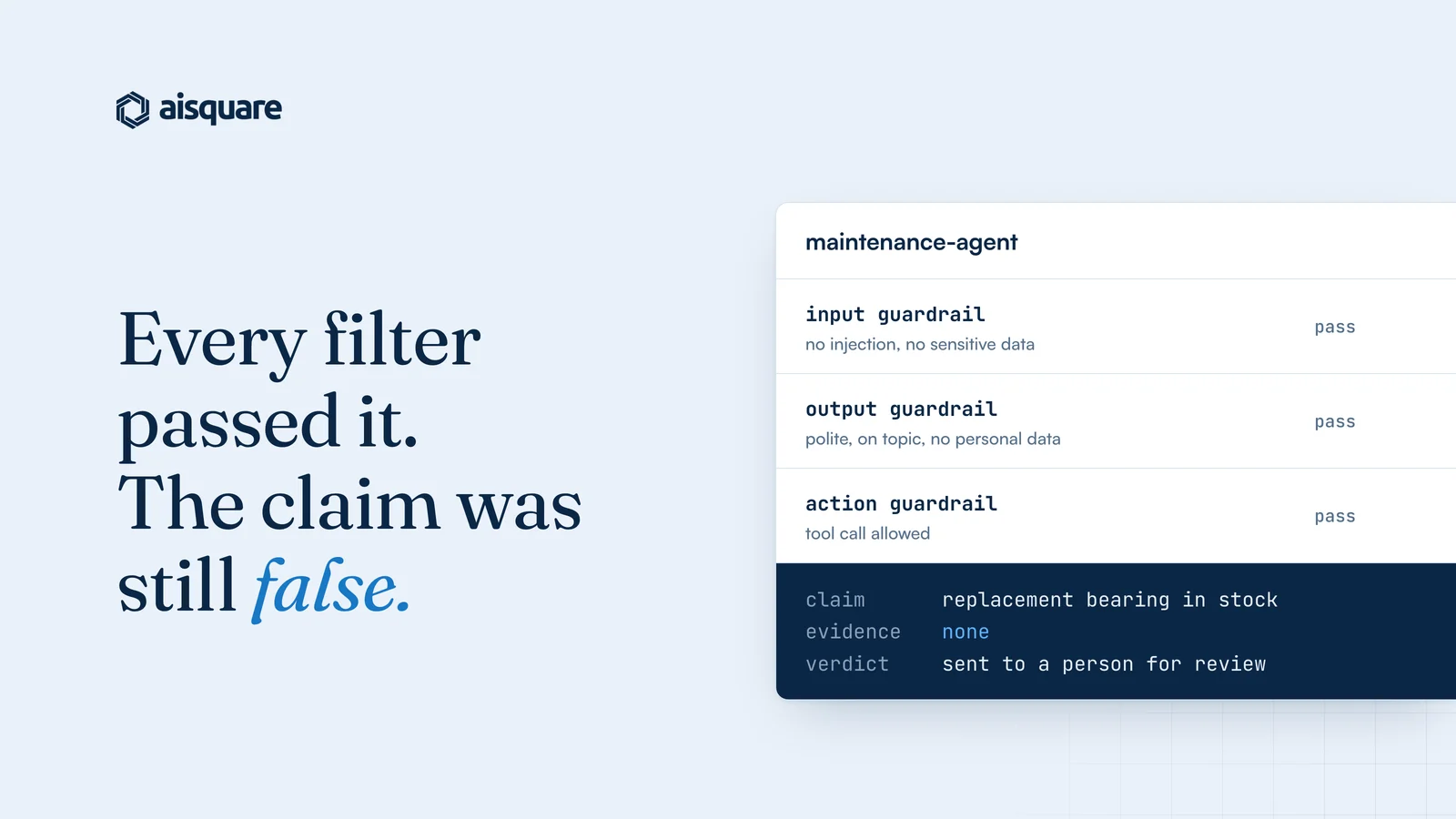
Our post on AI agent guardrails covers how these sit alongside input and output filters.
4. Oversight and learning
Asking people to approve outputs all day wears them down until review becomes a formality. Have experts review the reasoning instead, meaning the claims and evidence, and correct it where it’s wrong. Each approved correction becomes a versioned, human-owned rule that every relevant agent follows. That way oversight improves the fleet instead of just policing it.
5. Evidence
For every decision, keep the inputs, claims and evidence, the rules checked and their results, the outcome, who reviewed it, and a cryptographic signature showing the record hasn’t changed. Add an AI bill of materials listing the models, tools, data and rules involved. Set a retention period that matches your audit and regulatory needs.
Mapping the framework to regulations
| Framework part | EU AI Act | NIST AI RMF | ISO/IEC 42001 |
|---|---|---|---|
| Inventory and ownership | Risk management (Art. 9) | Govern, Map | AI policy, roles and responsibilities |
| Autonomy levels | Human oversight (Art. 14) | Map, Manage | AI risk and impact assessment |
| Controls | Accuracy and robustness (Art. 15) | Manage | Operational controls |
| Oversight and learning | Human oversight (Art. 14) | Measure, Manage | Monitoring and continual improvement |
| Evidence | Record keeping and transparency (Art. 12 and 13) | Measure | Documented information |
The EU AI Act articles above apply mainly to high-risk systems, so confirm your obligations with counsel. Even where they don’t strictly apply, they’re a sensible bar to build to.
Start with one agent
Don’t roll this out across the whole fleet at once. Pick one agent with a clear owner, assign it a level, switch on the controls and evidence, and run it for a month. Our agentic governance guide includes a 30-day plan for exactly this.
Where AISquare fits
AISquare runs parts 3 to 5 of this framework on every agent run: reasoning captured with RML, rules enforced at runtime, expert corrections turned into rules, and a signed record of each decision. It works with the agents, models and governance tools you already have.
Book a demo to see the framework running on a live agent.
Read next: Agentic governance platform: how to choose one for AI agents and Explainable AI agents: explaining decisions, not just models.
Get your agents into production
AISquare captures the reasoning behind every agent decision, enforces your rules on every run, and keeps a record your risk team can check.